A major eligibility shift now affects SBA loans green card holders previously qualified for.
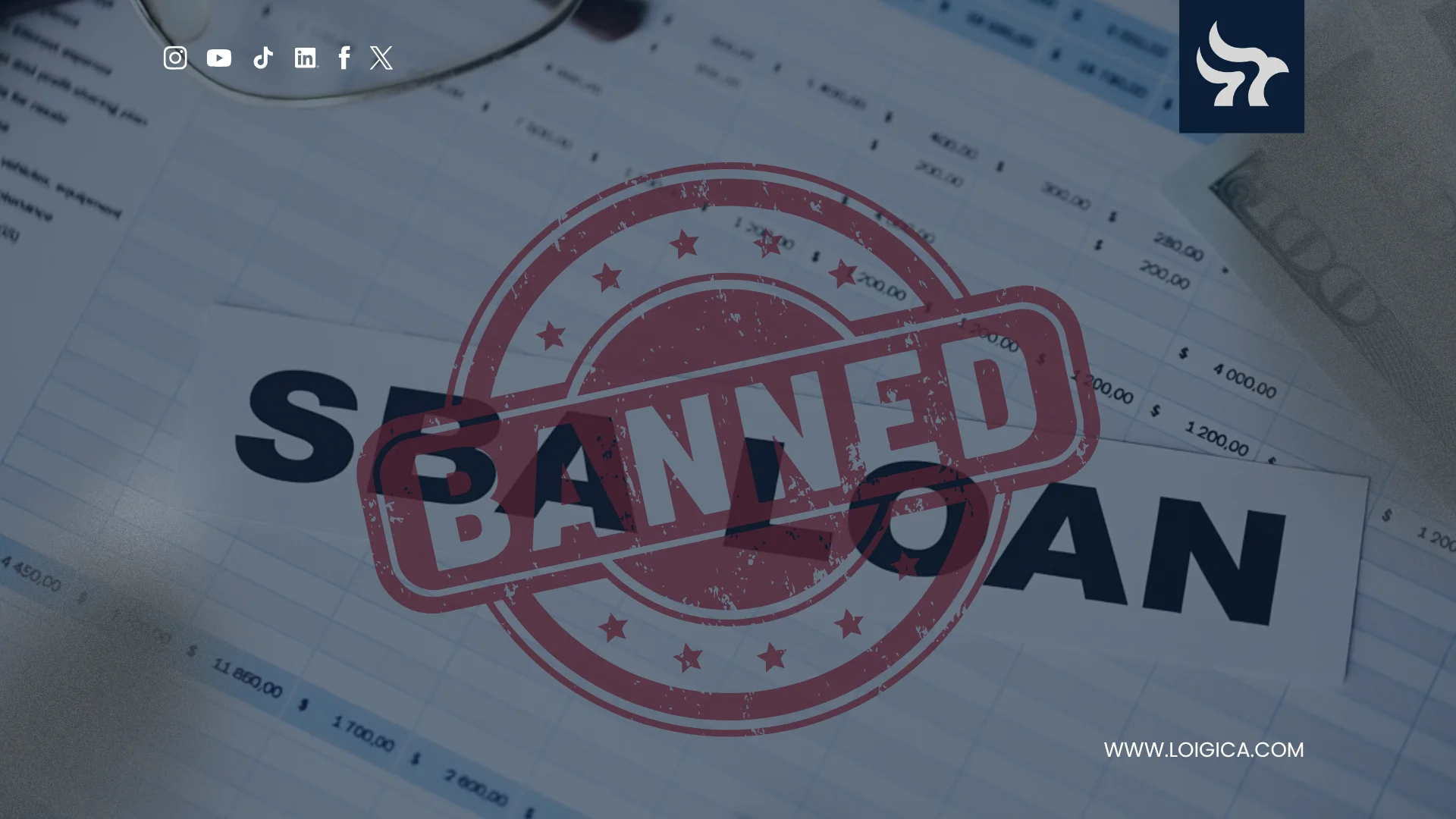
Effective March 1, 2026, the U.S. Small Business Administration (SBA) requires that businesses seeking SBA-guaranteed financing under its core programs be 100% owned by U.S. Citizens or U.S. Nationals.
SBA issued Policy Notice 5000-876441 to update SOP 50 10 8 and revise citizenship and residency requirements. Consequently, Green Card holders and work visa holders no longer qualify as owners for SBA 7(a) and 504 eligibility.
This change marks a clear break from prior standards. Let’s dive into this SBA news.
What SBA Loans Green Card Applicants Must Know About Affected Programs
The new rule specifically applies to:
These programs represent the foundation of SBA-backed commercial lending in the United States.
Under the updated policy:
All direct owners must be U.S. Citizens or U.S. Nationals.
All indirect owners must also meet this requirement.
Green Card holders cannot hold any ownership percentage.
Work visa holders (H-1B, L-1, O-1, E-2, and others) do not qualify under the citizenship requirement.
Therefore, companies with mixed ownership structures must reassess eligibility before submitting new applications.

How the SBA Loans Green Card Rule Impacts Permanent Residents
Historically, lawful permanent residents could own and operate businesses that qualified for SBA-backed loans. However, as of March 1, 2026, that eligibility ends.
Beginning on that date:
A Green Card holder cannot own any percentage of an applicant company.
Even minority ownership disqualifies the business.
Additionally, SBA reviews indirect ownership through holding companies and related entities.
As a result, many immigrant founders who previously relied on SBA financing must now reassess their capital strategy. Moreover, ownership structures that once complied may no longer qualify under the updated rule.
Are Pending SBA Loans Green Card Applications Affected?
The effective date connects directly to SBA loan number issuance. Therefore, timing plays a critical role in determining eligibility.
In practice, lenders treat March 1, 2026 as the cutoff for loans receiving an SBA loan number on or after that date. Accordingly:
Applications already assigned an SBA loan number before March 1 may proceed.
Conversely, applications without an assigned number may fall under the new eligibility standard.
For this reason, businesses currently in process should promptly confirm their status with their lender.

What Happens to Existing Borrowers Under the SBA Loans Green Card Rule?
The rule affects new eligibility, not existing loan agreements.
SBA does not automatically accelerate or call existing loans due. However, refinancing, ownership restructuring, or requests for additional SBA-backed financing may trigger eligibility review.
Consequently, borrowers planning structural changes should evaluate compliance before moving forward.
Is the SBA Loans Green Card Change a Ban on Immigrant Entrepreneurship?
No. Although the policy restricts access to SBA-backed financing, it does not prohibit immigrant entrepreneurship.
The rule does not prevent non-citizens from:
Operating companies
Hiring employees
Securing private bank financing
Instead, it limits access to federally guaranteed SBA programs.
However, because SBA guarantees reduce lender risk and often enable better loan terms, losing eligibility may significantly affect startup and expansion strategies for immigrant founders.

Strategic Impact for Founders and Investors
This policy shift creates immediate strategic consequences.
Therefore, founders and investors must evaluate both ownership and financing strategy without delay.
It directly impacts:
Green Card holders launching new ventures
Visa holders with equity interests
Mixed-ownership startups
Foreign founders expanding into the U.S. market
In many cases, capital planning will now require reassessment. For example, companies that anticipated SBA-backed leverage may suddenly face structural barriers.
Moreover, ownership models that previously complied with SBA rules may no longer qualify. Consequently, founders may need to explore alternative financing options, adjust equity allocations, or reconsider expansion timelines.
While the rule does not end immigrant business activity, it nonetheless changes how certain founders must approach federally guaranteed financing moving forward.
Why Work With Loigica?
Regulatory changes like the new sba loans green card rule demand precise legal analysis.
At Loigica, we advise:
Green Card holders reviewing ownership compliance
Visa holders structuring business expansion
Founders reassessing financing strategies
Investors adjusting equity to preserve eligibility
Policy shifts can alter access to capital overnight.
Schedule a consultation to evaluate how the SBA loans green card rule may affect your business structure and financing strategy.