
Many founders search for an “entrepreneur visa usa” option and assume there must be a direct startup visa for the United States. However, the international entrepreneur pathway that USCIS offers does not work as a visa category or a green card. It works through parole under the International Entrepreneur Rule. That difference matters because parole is temporary, discretionary, and limited by strict eligibility rules.
That is why this topic needs precision. A founder may have strong funding, a real startup, and credible U.S. growth plans. Even so, that does not automatically create a permanent immigration path. The International Entrepreneur Parole process can allow a temporary period of authorized stay, but it does not by itself grant immigrant status or lawful permanent residence. USCIS separately lists immigrant pathways for entrepreneurs when the goal is more permanent status.
What Is the International Entrepreneur Rule?
The International Entrepreneur Rule is the USCIS framework that allows DHS to use its parole authority for certain foreign entrepreneurs of startup entities. USCIS describes it as a way for DHS to grant a period of authorized stay, on a case-by-case basis, when the entrepreneur can show that the startup has substantial potential for rapid growth and job creation and that the entrepreneur’s presence would provide a significant public benefit.
That wording is important. This is not a visa petition in the usual sense. It is not a direct green card route either. Instead, it is a discretionary parole framework built around startup growth, public benefit, and evidence that the founder plays a central and active role in the business.
International Entrepreneur Parole Is Not a Green Card
This is one of the biggest misunderstandings around the program. International Entrepreneur Parole can allow a founder to stay in the United States temporarily, but it does not convert the person into a permanent resident. USCIS separately categorizes entrepreneur options into nonimmigrant or parole pathways on one side and immigrant pathways on the other. That alone shows why this program should not be treated like a green card solution.
The distinction also matters for planning. A founder may use parole to enter and grow the startup, but must still think ahead about what longer-term immigration strategy, if any, could fit later. In other words, parole may create time and operational flexibility, but it does not remove the need for a broader immigration plan.

What the Funding Requirement Really Means
For many readers, the first practical question is funding. USCIS says a startup entity can show substantial potential for rapid growth and job creation by showing at least $311,071 in qualified investments from qualifying investors, or a qualified government award or grant of at least $124,429, using the thresholds effective from October 1, 2024. USCIS announced those updated amounts in its triennial threshold update.
That does not mean any money will work. The program looks at qualified investments and qualifying investors, not just informal backing from friends, family, or loosely documented supporters. So when founders ask whether they have “enough” funding, the real question is whether the investment fits the legal framework USCIS expects under the rule.
Why Qualified Investors Matter
The investor side is one of the most important limits in this pathway. The rule is not satisfied simply because someone put money into the company. The investment has to come from a qualifying investor under the International Entrepreneur Rule framework, and the startup must still show substantial potential for rapid growth and job creation. That is why founders should not treat all capital as equal for immigration purposes.
This is also where the article can correct a common assumption. A founder may have raised money successfully for business purposes, but the same raise may not automatically satisfy the parole standard. Immigration analysis and startup fundraising analysis often overlap, but they are not identical. Therefore, the source, structure, and documentation of the investment all matter.
Ownership, Founder Role, and the Three-Entrepreneur Limit
The international entrepreneur pathway has clear limits. USCIS allows up to three entrepreneurs per startup to qualify for parole under the rule. USCIS policy also requires the founder to meet ownership and role standards. That includes holding a central and active role in the startup’s operations. Later, USCIS may consider re-parole even if the founder no longer holds a 10 percent ownership interest. In other words, the ownership threshold can change over time within the framework.
This point matters because the program targets real operators, not passive investors. A founder who stays away from daily operations may not fit the rule well. The same risk appears when the founder cannot show a central and active role. So ownership alone is not enough. The founder must also show real operational involvement.
Form I-941 Is the Application That Starts the Process
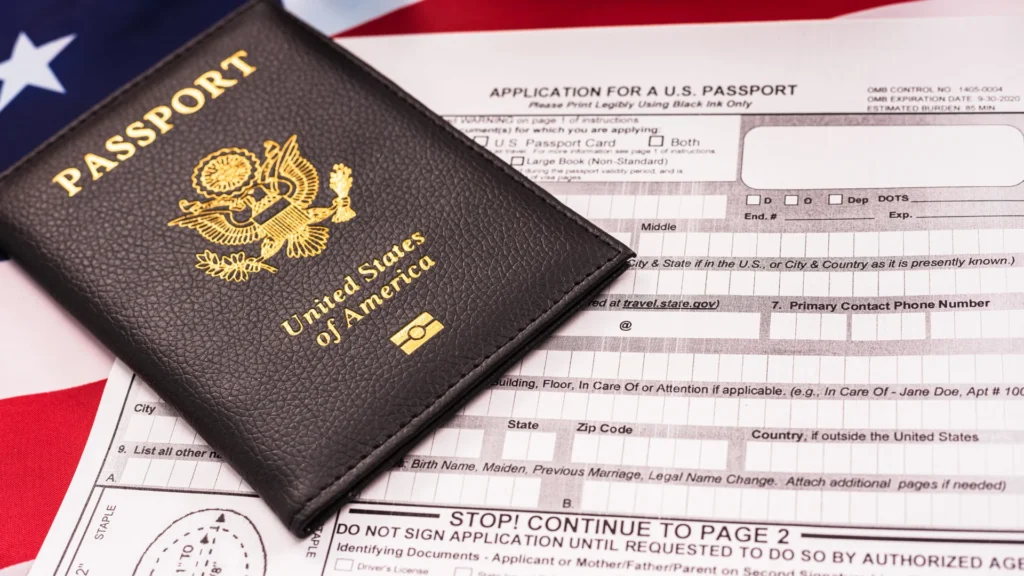
From a filing standpoint, the program runs through Form I-941, which USCIS identifies as the Application for Entrepreneur Parole. USCIS says entrepreneurs use this form to request initial parole and, when eligible, re-parole under the rule. USCIS also updated the form edition in 2025, which reinforces that this is an active and current filing route in 2026.
That filing detail is more important than it looks. Many people still search for an entrepreneur visa usa and expect to find a consular-style visa application. But the actual process here is a parole request through Form I-941, not a classic visa category. So the structure of the case, the evidence, and the strategic framing are different from what people often expect when they hear the word “visa.”
How Long Does International Entrepreneur Parole Last?
Another major limit is time. USCIS says the entrepreneur may receive up to 30 months of initial parole and may apply for one additional period of re-parole of up to 30 months. USCIS instructions for Form I-941 also explain that entrepreneur parole may be granted for no more than a total of five years.
That time limit reinforces why the program is not a green card substitute. It can create a temporary operating window. It can help a founder build in the United States. However, it does not eliminate the need to think ahead about the company’s trajectory and the founder’s longer-term immigration options.
Why This Is Not the Same as an Entrepreneur Visa USA
Search behavior often creates confusion here. Many people look for an entrepreneur visa usa because they want a founder-friendly route into the U.S. market. The problem is that this phrase often mixes together very different options, including E-2, L-1, O-1, EB-5, and parole-based startup pathways. USCIS itself separates the International Entrepreneur Rule from immigrant entrepreneur pathways and from other entrepreneur work options.
For that reason, the better question is not whether this “counts” as an entrepreneur visa in casual conversation. The better question is what legal framework actually governs the case. Here, the answer is parole, not a standard nonimmigrant visa classification and not permanent residence.

The Better Question Is Not Only Whether You Raised Enough
Many founders focus first on the funding threshold. That makes sense. However, a strong case requires more than numbers. USCIS treats this route as discretionary. It also looks at public benefit, startup growth potential, and the founder’s central role. So even when funding exists, founders still need a case structure that fits the rule legally and factually.
In practice, the analysis starts with four questions:
- Does the investment qualify?
- Do the investors qualify?
- Does the founder hold the right ownership and operational role?
- Does the record support the program’s public-benefit logic?
Those questions matter as much as the dollar amount.
Why work with Loigica?
Loigica helps founders evaluate whether the international entrepreneur pathway actually fits the company’s funding structure, investor profile, ownership setup, and long-term immigration strategy. We do not treat this as a simple startup filing. We look at whether the case works under the International Entrepreneur Rule and whether parole is the right fit compared with other entrepreneur pathways.
When founders confuse parole with a visa or with a green card strategy, the case can start from the wrong assumptions.
Schedule a consultation, a structured review early on can help clarify the real limits, the required evidence, and the best path forward before time and capital are spent in the wrong direction.