
Asset protection trust planning can sound simple from abroad. In practice, it is not. For foreigners, the real question is not whether a trust sounds protective, but whether the structure fits the assets, the jurisdiction, and the person’s long-term U.S. tax and estate exposure. That matters because a trust can improve planning in one system and create reporting or tax issues in another.
What Is an Asset Protection Trust?
An asset protection trust is generally a trust designed to separate assets from the settlor’s personal balance sheet and add creditor-protection features. In the U.S., this conversation often overlaps with self-settled spendthrift trust laws in certain states, not with one single federal trust regime. Nevada, for example, has a spendthrift trust statute, and Delaware has its Qualified Dispositions in Trust Act.
That does not mean every foreigner should use one. State-law trust protection, cross-border enforceability, tax residence, and future U.S. connections can all change the result. A structure that looks attractive for creditor planning may still require a deeper review if the settlor later becomes a U.S. person or if U.S. beneficiaries enter the picture.
Can a Non-U.S. Resident Use an Asset Protection Trust in the U.S.?
Yes, a non-U.S. resident can use a U.S. trust structure in some cases. However, the planning should start with the objective, not the product. Some clients want creditor protection. Others want estate planning, continuity, or more control over how family assets pass. Those are related goals, but they are not the same goal.
For Loigica’s audience, the better question is usually more specific: does a U.S. asset protection trust actually improve the person’s estate planning and asset-holding position, or does it create friction with tax, reporting, or future immigration planning? That difference matters much more than the label on the structure.
When This Planning Makes Sense
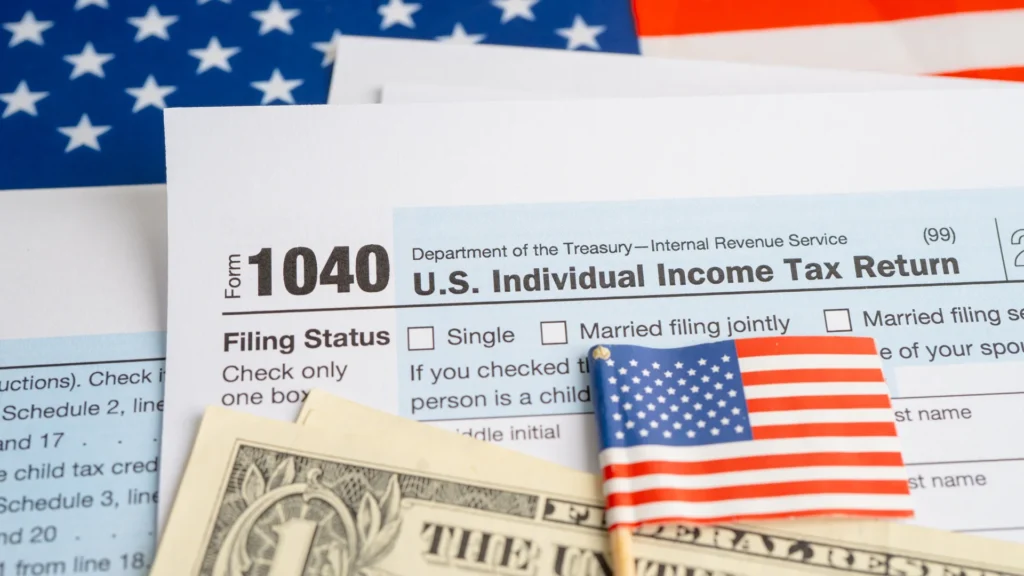
A trust discussion often makes more sense when the foreign client already holds U.S.-situated assets, expects to acquire them, or wants a stronger succession framework around U.S. investments. That is especially relevant because the IRS states that, for nonresidents not citizens of the United States, estate tax applies to the transfer of U.S.-situated property. The IRS also says an executor must file Form 706-NA if the fair market value of the decedent’s U.S.-situated assets exceeds $60,000. That threshold is low enough to make estate planning relevant much earlier than many foreign families expect.
This does not mean a trust automatically eliminates estate tax exposure. It means trust planning may become part of a broader estate planning strategy for non-U.S. citizens with U.S. assets. The right answer depends on who owns the asset, where the asset sits, how the structure is funded, and whether the long-term plan includes relocation to the United States.
Why “International Asset Protection Trust” Is Not Just a Marketing Label
The phrase international asset protection trust sounds commercial, but the real issue is structural. Cross-border trust planning can trigger legal questions in more than one country at once. A trust may work under one jurisdiction’s asset-protection rules while creating separate tax or disclosure obligations somewhere else. That is why foreigners should not choose a trust based only on promotional language about “protection” or “privacy.”
In practice, international trust planning requires at least three reviews. First, what does the trust do under the governing law? Second, how will the relevant tax system classify it? Third, what reporting will apply if the client or a beneficiary later becomes a U.S. person? Without those answers, the trust may solve the wrong problem.

Where Foreign Grantor Trust Risk Appears
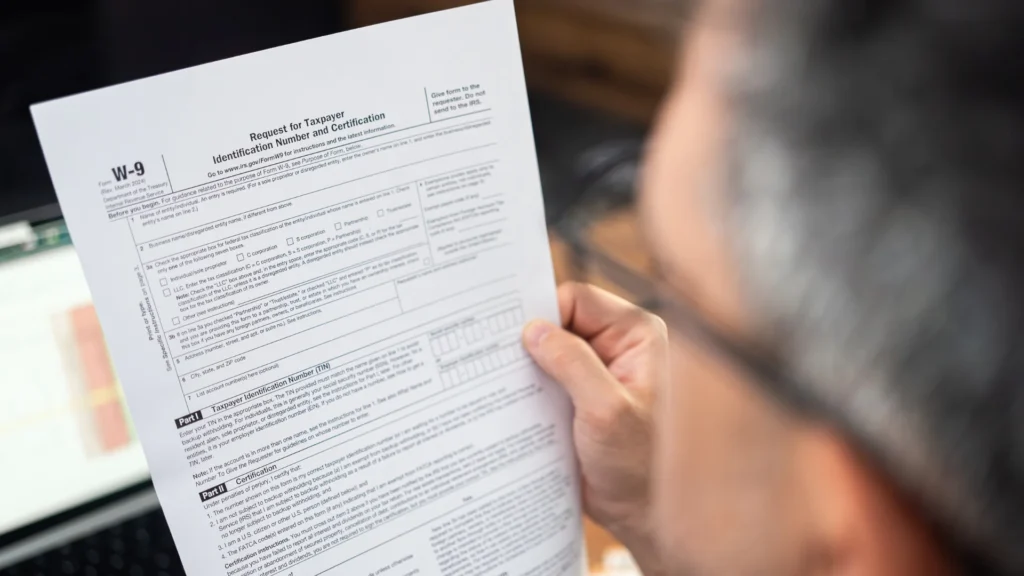
This is where the topic becomes more technical. A foreign grantor trust is not simply a product name. It is a tax classification concept that matters when a foreign trust has a U.S. owner or when U.S. reporting rules apply under the grantor trust regime. The IRS states that a foreign trust with a U.S. owner must file Form 3520-A, and U.S. persons report certain foreign trust transactions and ownership issues on Form 3520.
That means a structure built while the client is still outside the United States can become much more complex later. If the settlor becomes a U.S. person, or if U.S. beneficiaries become involved, the reporting landscape can change fast. The IRS also explains that U.S. owners of foreign trusts must ensure timely and accurate Form 3520-A filing and furnish the required annual statements.
Why Future U.S. Residence Changes the Analysis
A trust that looks efficient for a foreign family today may look very different after a move to the United States. That is why foreigners should not treat trust planning as static. The IRS says U.S. persons file Form 3520 to report certain transactions with foreign trusts, ownership of foreign trusts, and certain large foreign gifts or bequests. Once U.S. person status enters the picture, trust planning usually needs a fresh review.
This is also where many planning errors begin. Clients often ask whether the trust is “good” or “bad,” but the better question is whether the trust still fits after a change in tax residence, beneficiary profile, or asset mix. A structure can be legally valid and still become inefficient or risk-heavy in a new U.S. context.
Common Mistakes Foreigners Make
One common mistake is assuming that a U.S. trust always offers better protection than a foreign structure. That conclusion is too broad. The result depends on the governing state law, the creditor profile, the asset location, and the person’s tax exposure. Another mistake is treating asset protection and estate planning as if they were interchangeable. They often overlap, but they do not solve exactly the same problem.
A third mistake is ignoring reporting risk because the trust was created before any U.S. connection existed. That approach can fail later if a U.S. owner, U.S. beneficiary, or U.S. filing obligation appears. At that point, foreign trust reporting rules may become central, and late correction can be expensive and disruptive.
What Foreigners Should Review Before Creating a Trust
Before creating an asset protection trust, a foreign client should review at least five points.
- What specific risk is the trust supposed to solve?
- Where are the assets located?
- What is the person’s current and future tax residence?
- Who will benefit from the trust?
- What reporting could apply later if the structure becomes a foreign grantor trust for U.S. purposes?
These questions usually produce a better plan than starting with a ready-made trust pitch.
For some families, the better answer may be a trust. For others, it may be a different holding structure, a different jurisdiction, or a more focused estate plan around U.S. assets. The goal is not to add complexity. The goal is to use the right structure for the real risk.
Why work with Loigica?
An asset protection trust in the U.S. for foreigners can be useful. But it only works well when legal protection, estate planning, and tax reporting are aligned from the start. For non-U.S. residents, the smartest move is usually not to ask whether trusts are good in general. It is to ask whether this trust, in this jurisdiction, for these assets, still makes sense after future U.S. tax or family changes.
At Loigica, we help foreign clients evaluate whether a trust, holding structure, or estate plan actually supports their U.S. goals. That includes reviewing asset exposure, succession planning, cross-border reporting risk, and future U.S. tax connections before the structure becomes harder to fix.
Schedule a consultation to review your case and start your journey to a stronger and safer trust structure.