


When applying for a marriage-based Green Card, proving your relationship qualifies as a bona fide marriage is essential. That is to say, more than just being legally married. To clarify, you must show that your relationship is real, ongoing, and built on genuine intent, not on immigration benefits.
In this article, you’ll discover what a bona fide marriage means under U.S. immigration law, what types of evidence USCIS expects, and how to avoid mistakes that could cost you your case.
What Is Bona Fide Marriage?
A bona fide marriage, according to U.S. immigration law, is a legitimate relationship based on love and commitment. USCIS examines whether the couple entered the marriage in good faith. In other words, they look at your intentions at the time you got married, not just the paperwork.
To do this, immigration officers review supporting documents that demonstrate your lives are connected emotionally, financially, and practically.

Types of Evidence That Prove a Bona Fide Marriage
You don’t need to submit every type of document. However, submitting a well-balanced selection from the categories below gives USCIS a clearer picture of your life as a couple.
1. Financial Ties: Strong Indicators of Commitment
Joint financial records offer compelling evidence of a bona fide marriage. For example:
Joint bank statements
Shared credit cards
Co-owned assets or loans
Jointly filed tax returns (e.g. Form 1040, “married filing jointly”)
USCIS considers financial commingling one of the strongest proofs that a couple lives as a unit.
2. Proof of Shared Residence
Living together adds credibility to your case. Therefore, you can show this by submitting:
Leases or mortgage documents with both names
Utility bills for a shared address
Affidavits from roommates, landlords, or neighbors
While cohabitation isn’t mandatory, it significantly strengthens your application.
3. Children and Parenting Responsibilities
Nothing illustrates commitment like raising a child together. For instance:
Birth certificates with both spouses listed
Prenatal care or pediatric records
School or daycare enrollment forms
Even if you don’t have children, shared family planning documents can be helpful.
4. Shared Activities and Life Events
Demonstrating how you spend time together helps establish emotional ties. For example, consider including:
Travel records (boarding passes, itineraries)
Holiday photos and family events
Tickets to concerts, games, or trips taken as a couple
Moreover, provide brief captions and context for each photo or document.
5. Affidavits from Friends and Family
Statements from people who know you as a couple can support your case. These should include:
Full name and contact info of the person writing it
Explanation of how they know you
Why they believe your relationship is genuine
Above all, make sure these statements are specific and detailed.
6. Communication and Daily Connection
USCIS wants to see how you communicate, especially in long-distance cases. Include:
Screenshots of chats, emails, or call logs
Letters or cards exchanged for birthdays or anniversaries
To clarify, organize them by date and include translations if needed.
High-Impact Evidence vs. Weak Submissions
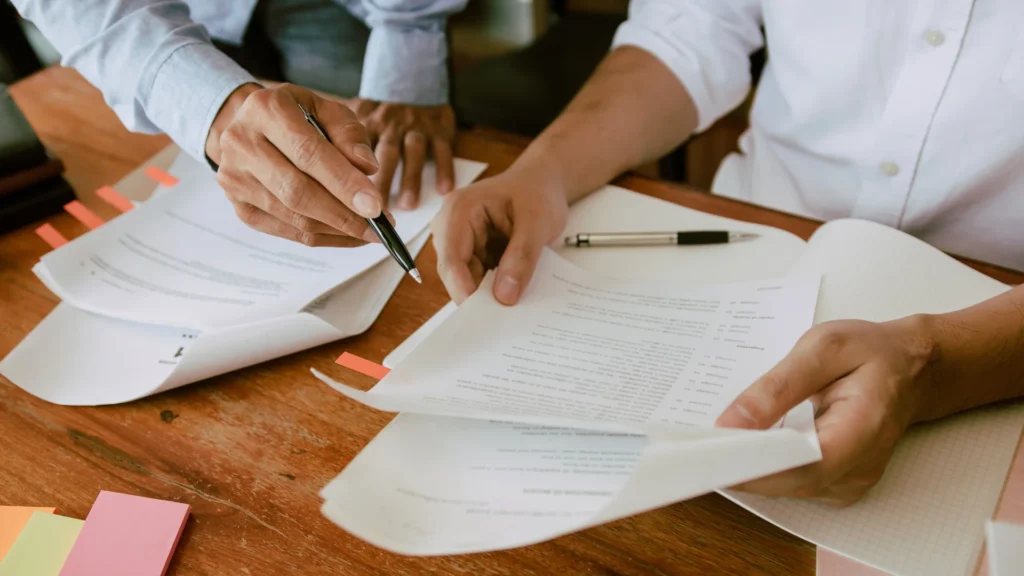
Some types of evidence carry more weight for USCIS. For example, joint financial accounts and leases offer third-party verification. On the other hand, casual selfies or vague chat logs may not be persuasive.
Therefore, aim for a consistent narrative supported by documents. Moreover, organize everything clearly and avoid flooding your file with redundant or irrelevant items.
What to Expect at the USCIS Marriage Interview
After submitting your I-130 and I-485 (or consular application), you will likely attend a USCIS interview. During the interview, officers assess your knowledge of each other and your day-to-day life.
In some cases, you may face a Stokes interview. To clarify, this involves questioning each spouse separately to compare answers. For example, red flags like inconsistent answers, large age differences, or short courtships can trigger this.
To prepare, review your history, timeline, and household details together.

Proving a Bona Fide Marriage for I-751 Removal of Conditions
If you receive a conditional Green Card, you must file Form I-751 within 90 days of expiration. To clarify, this form removes conditions and proves the marriage is ongoing.
For this step, provide new and updated evidence that shows continued cohabitation, shared finances, and daily life.
In addition, keep collecting documents even after your initial approval.
Avoid These Common Mistakes in Bona Fide Marriage
Applicants often damage their case by:
Submitting too few documents
Relying only on photos
Using documents with inconsistent information
Not updating evidence for I-751
To avoid delays or denials, double-check everything and present it clearly.
Other Legal Uses of “Bona Fide” (and Why They Matter)
While “bona fide” in immigration means genuine marriage, the term appears elsewhere in law:
Bona fide occupational qualification (BFOQ): An exception in employment law allowing certain hiring restrictions based on job requirements
Bona fide residence test: A test used by the IRS to determine if you qualify for foreign earned income exclusions
Bona fide resident: A legal status used in tax contexts to define residency in U.S. territories
Understanding these definitions helps distinguish your immigration use case from other legal contexts.
Build Trust with Strong Bona Fide Marriage Evidence
A well-documented bona fide marriage can significantly increase your chances of approval. Therefore, collect a wide variety of documents, update them often, and avoid inconsistencies.
Ultimately, your goal is to build trust with USCIS by presenting a genuine and organized picture of your relationship.
Why Work with Loigica?
At Loigica, our immigration attorneys help couples:
Collect and organize strong evidence of bona fide marriage
Prepare for USCIS interviews and avoid common pitfalls
Navigate all steps of the Green Card process, including I-130 and I-751
Book a consultation today and build your immigration case with clarity and confidence.