Forming an LLC or Corporation is just the beginning. To stay protected, you need the right corporate documents. Up to date, complete, and ready when it matters. Learn about all you need to know in this article.
This article is also available in Spanish for our Spanish-speaking readers here.
Why corporate documents in LLC matter more than you think
Many businesses believe that registering their company is enough.
But missing or outdated LLC documents or corp documents can lead to real problems:
When do these problems usually appear?
Opening a business bank account
Disputes between partners or investors
Selling the business or attracting capital
IRS or regulatory audits
In all of these situations, you’ll be asked to show internal records. If they’re missing or outdated, you risk delays, rejections, or legal exposure.

Corporate documents your LLC or Corporation should always have
There’s no one-size-fits-all list. But these are the most important documents every LLC and Corporation in the U.S. should maintain.
Formation corporate documents (Articles + EIN letter)
Articles of Organization (LLC) or Articles of Incorporation (Corporation): your official registration with the state
EIN confirmation letter from the IRS: proves your federal tax ID
These are required to:
Open a bank account
Prove your business exists
Register in other states
Operating Agreement or Corporate Bylaws
Operating Agreement (for LLCs): defines who owns what, how decisions are made, and what happens in conflicts
Bylaws (for Corporations): sets internal rules, board structure, officer roles, and procedures
Even if your state doesn’t require it, banks, investors, and courts will.
Florida and Delaware, for example, don’t legally require an LLC to file an operating agreement, but you’ll need one to prove structure.
Ownership records: certificates and ledgers
Stock certificates (Corporation) or membership certificates (LLC)
A clear ledger or register showing who owns what
Essential when:
Bringing in a new partner
Resolving disputes
Selling the business

Meeting minutes and resolutions
Annual meetings (required for Corporations, recommended for LLCs)
Written resolutions or consents for key decisions
You’ll need these to:
Show you followed proper procedures
Defend your structure in audits or court
Prove who had the authority to act
Not keeping minutes? That’s one of the top reasons courts “pierce the corporate veil” and go after owners personally.
Good Standing Certificate
Issued by your Secretary of State, it confirms:
The company is active
You’re up to date with annual filings and fees
For example, banks and buyers often request one dated within the last 30–60 days.
Annual reports, licenses, and compliance
State annual/biennial reports (Florida, Delaware, California, etc.)
Business licenses and permits
S-corp elections, franchise taxes, or BOI Reports (if applicable)
Missing one of these can result in:
Fines
Suspension of your company
Loss of credibility with partners or banks
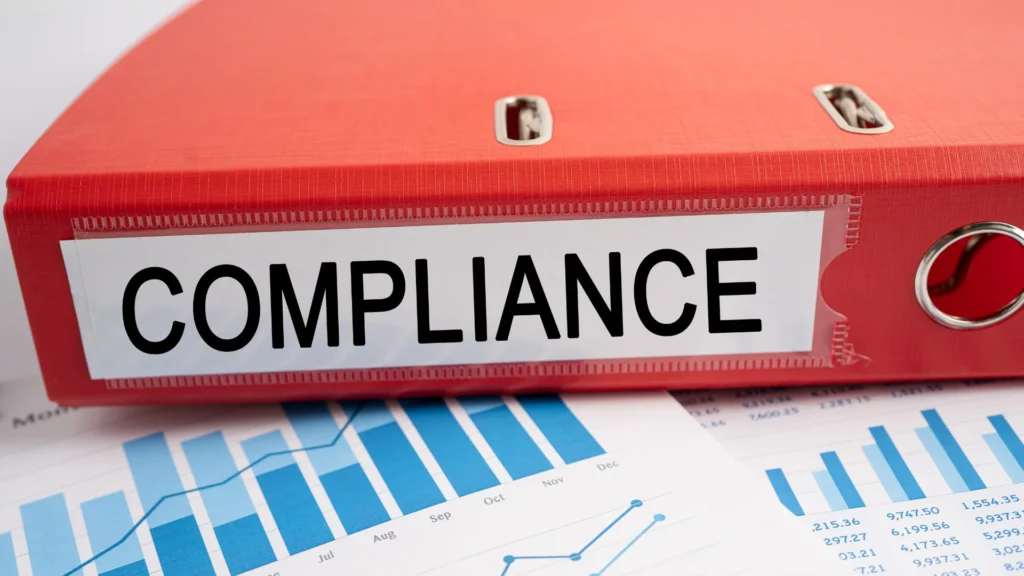
Don’t confuse formation with compliance
Many business owners say:
“I already have my LLC, I’m all set.”
But registering your business is not enough. Without complete corporate documents, you can’t prove ownership, structure, or authority.
To clarify, banks, auditors, and buyers won’t just ask if your company is active. They’ll want to see how it’s been managed and documented over time.
State-specific expectations corporate documents
For your reference, an example of three distinct states is provided to illustrate that each state possesses its own specific regulations.
Florida
Annual report required by May 1
No operating agreement required by law (but highly recommended)
Must maintain records like minutes, bylaws, shareholder info
Delaware
Must maintain a stock ledger
Franchise tax and annual report for Corporations
Flexible LLC rules — but no excuse for missing documents
California
Operating Agreement is legally required for all LLCs
Shareholders have strong rights to inspect corporate records
Franchise tax + annual Statement of Information required
Wherever you’re registered, the message is the same:
Well-kept records protect your business.

What we advise about your corporate documents
Review your corporate documents at least once a year. Update them when ownership changes. Store them securely, and make sure your digital records are as complete as your paper ones.
Documentation is not just protection. It’s leverage, credibility and peace of mind.
Let’s review your corporate documents together
At Loigica, we help business owners:
Stay compliant
Protect their structure
Avoid future issues with banks, regulators, or buyers
Request a review of your corporate documents to identify possible gaps or outdated records.