
USCIS may be delaying many pending cases as it rolls out a new vetting process in 2026. The agency publicly announced stronger screening and vetting on March 30, 2026. Since then, AILA has warned that a newer security process, effective April 27, 2026, may be causing holds on many adjudications, and Reuters reported that internal guidance told officers not to approve pending cases that have not gone through the expanded checks.
That does not mean USCIS has publicly announced a blanket pause on all cases. Right now, the most accurate reading is narrower: official USCIS messaging confirms strengthened vetting, while AILA and media reports suggest that many pending cases may face delays, new biometrics notices, or temporary adjudication holds as the new process is applied.
What USCIS Has Officially Announced
On March 30, 2026, USCIS published an alert titled “Update on USCIS’ Strengthened Screening and Vetting.” In that alert, the agency said it was expanding screening and vetting measures and shortening the validity of certain employment authorization documents so it could review affected applicants more often.
That official alert matters because it shows this was not an isolated rumor. USCIS itself confirmed a broader shift toward more frequent review and stricter background screening. What the public alert did not do was clearly explain the full operational impact on pending adjudications across all case types.
What AILA and News Reports Are Saying About Pending Cases
AILA’s public postings page says a new vetting process at USCIS is likely resulting in a “hold” on many adjudications. It also says the process took effect on April 27, 2026, may require many pending cases to resubmit fingerprints, and still has an unclear scope and timing.
Reuters reported similar details. According to Reuters, internal USCIS guidance instructed officers not to approve pending cases until the enhanced checks were completed. Reuters also reported that USCIS would begin receiving expanded criminal history information from the FBI’s Next Generation Identification system for all fingerprint-based background checks, effective April 27, 2026.
Taken together, those reports suggest a real operational shift. Still, the safest wording remains that USCIS new vetting may delay many pending cases, not that the agency has formally announced a public pause on every case.
Could USCIS Require New Fingerprints?
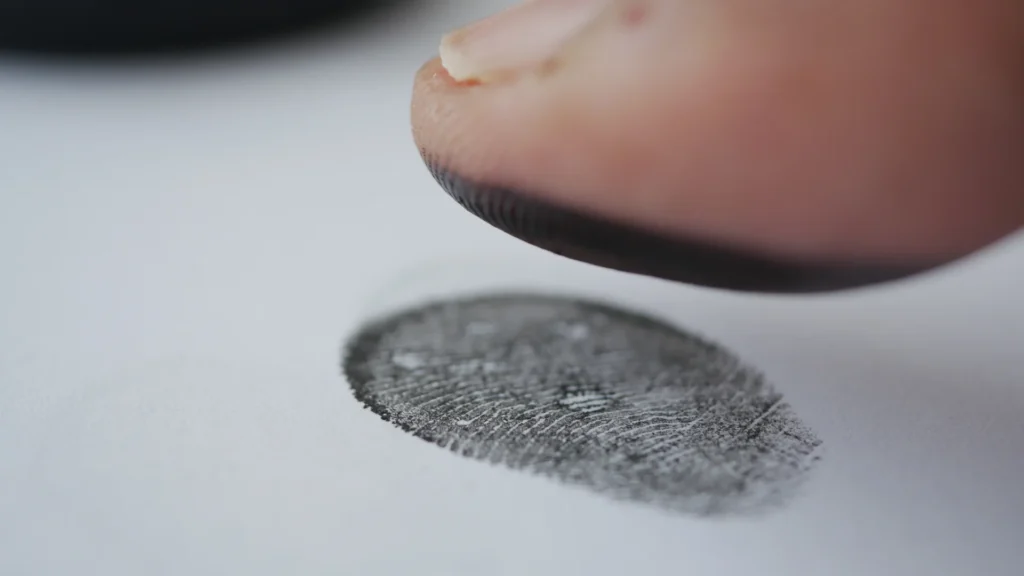
Possibly, yes. AILA says many pending cases may need to resubmit fingerprints under the new process. Reuters reported the same point and said officers were told to resubmit fingerprints in cases processed before the new policy date if they relied on earlier FBI information.
That means some applicants may receive a new biometrics notice even if they already completed biometrics earlier in the case. If that happens, it may be tied to the new vetting process rather than to a separate problem in the application itself.
If your case is already pending and you receive a new biometrics notice or unexplained delay, Loigica can help you review what may be happening and what the delay could mean for your case.
Which Cases May Be Affected
The reports point most clearly to pending cases that require fingerprints. Reuters specifically referenced applications such as green cards and naturalization. AILA’s alert says the hold could affect many adjudications, but also notes that the full scope remains unclear.
That uncertainty matters. It is possible that different field offices, application types, or stages of adjudication will feel the impact differently. For now, the strongest conclusion is that fingerprint-based pending cases may see additional scrutiny and some level of delay while USCIS applies the new checks.

What Applicants With Pending Cases Should Expect
Applicants with pending cases should be prepared for three things. First, some cases may move more slowly than expected. Second, some applicants may receive new biometrics notices. Third, case timing may become harder to predict until USCIS gives more public detail about how broadly the new process is being applied.
At the same time, Reuters reported that USCIS said processing is still ongoing and that any delays should be brief. That is an important detail, but it does not remove the practical risk of new wait time for applicants who were already close to decision.
Why This Matters
For many applicants, this is not just a policy story. It may affect interview timing, approval timing, work authorization planning, travel planning, or decisions about whether a case has become unreasonably delayed. USCIS has already confirmed stronger screening. AILA and major media reporting now suggest that the operational effect may be broader than the public alert first made clear.
That is why this update matters now, even before USCIS gives a fuller public explanation.
Learn About Writ of Mandamus
At Loigica, we know that stronger vetting and internal adjudication holds can create real pressure for applicants with pending cases. When delays become unreasonable, it may be necessary to evaluate more than the application itself. It may also be time to review what legal options exist to push a case forward.
Is Your Case Already Delayed?
Share your case type, filing timeline, and any recent USCIS notices with Loigica. We can help you assess whether the delay appears routine or whether it may call for a stronger legal response.