
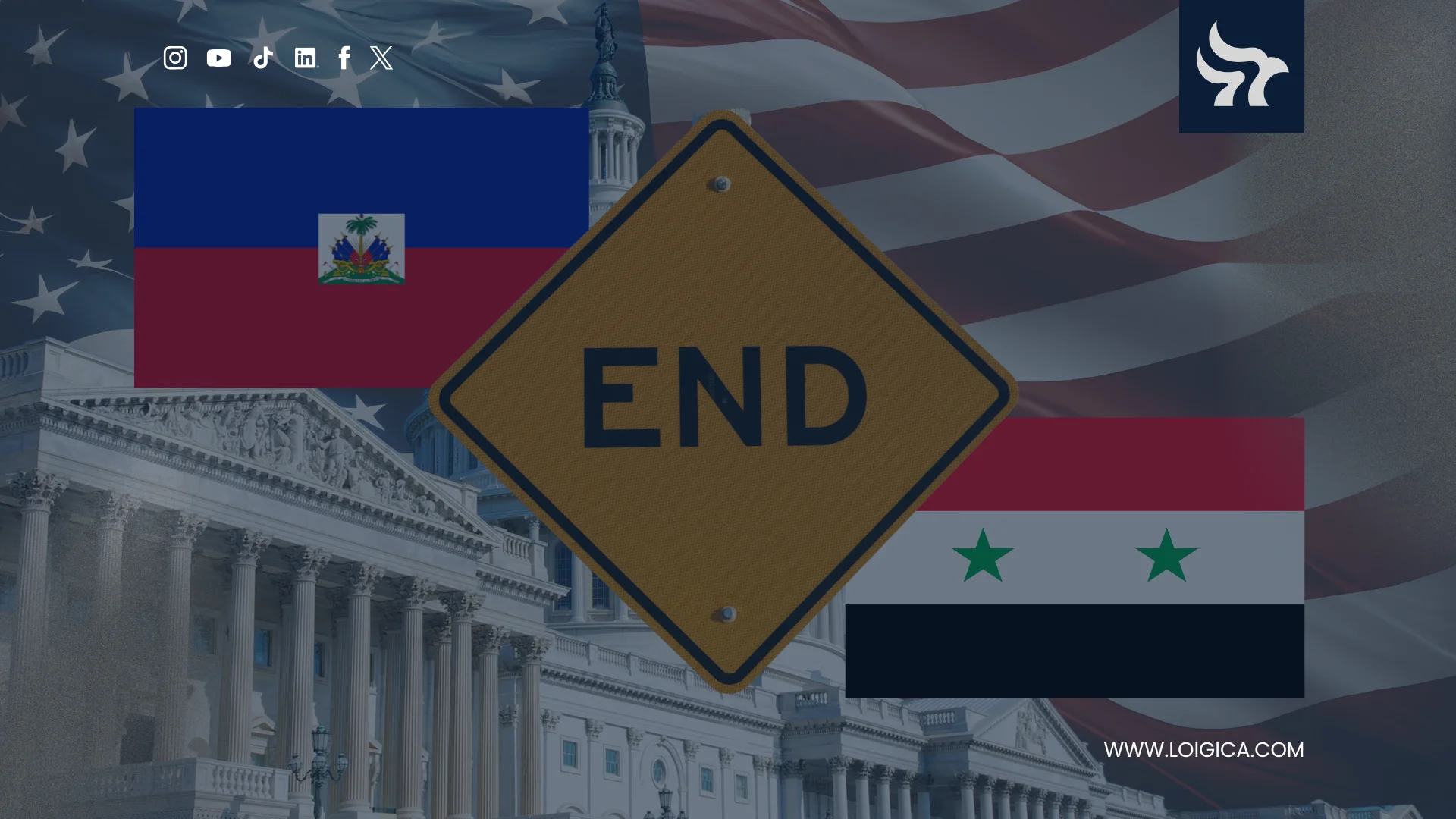
The Supreme Court TPS ruling has changed the legal landscape for many Temporary Protected Status holders.
On June 25, 2026, the U.S. Supreme Court allowed the Trump administration to move forward with ending TPS protections for Haitian and Syrian nationals. The decision affects more than 350,000 Haitians and about 6,100 Syrians who had relied on TPS to live and work legally in the United States.
For TPS holders, this ruling may affect work permits, protection from removal, family stability, pending immigration plans, and long-term strategy. It does not mean every TPS holder has the same legal situation. It also does not mean there are no options left.
But it does mean that affected individuals should review their immigration history now. We are going to dive into this ruling, what it means, and what you can do if you are affected by these changes.
What changed with the Supreme Court TPS ruling?
Temporary Protected Status allows eligible nationals of designated countries to remain in the United States when war, disaster, violence, or extraordinary conditions make return unsafe. TPS can also support work authorization while the designation remains active.
The Supreme Court ruling allows the government to proceed with ending TPS for Haiti and Syria after lower courts had blocked those terminations. The administration argued that TPS decisions are temporary and that the executive branch has broad authority to end country designations.
That is why the Court’s decision strengthens the government’s ability to terminate TPS designations and limits how much affected communities can rely on litigation to keep protections in place.
Therefore, this ruling matters beyond Haiti and Syria. Other TPS holders may now need to pay closer attention to future DHS decisions, expiration dates, automatic extensions, and court challenges.

Who is directly affected by the Supreme Court TPS Ruling?
The short answer is that the ruling directly affects TPS holders from Haiti and Syria.
Many Haitian TPS holders have lived in the United States for years. During this time, they work, raise families, own homes, support relatives abroad, and have built lives around temporary protection that was repeatedly extended.
Syrian TPS holders also face uncertainty because the program has protected them from return to a country affected by years of conflict and instability.
The timing and exact consequences may depend on government notices, individual immigration history, pending applications, and whether the person has another lawful status or immigration process available. For that reason, affected TPS holders should not rely only on general news coverage. They need to review their own records.
If you are a TPS holder, you can contact us here. We will review your current status and which options you have to stay safely in the United States.
What the ruling does not mean
We want to make clear that this decision does not automatically deport every TPS holder. Definitely, it does not cancel every immigration application that a TPS holder may have pending. Also, this ruling does not prevent someone from applying for another immigration benefit if they independently qualify. Likewise, it also does not mean that every TPS country will end at the same time.
However, the ruling reduces one important layer of protection for affected Haitian and Syrian nationals. Once TPS ends, you may lose work authorization and protection from removal unless another status, a pending application, a court process, or a legal option applies.
This is where timing becomes critical and where you need to assess your options. In the next section, we will dive into alternatives.

Why TPS holders should review options now
Something important worth noting is that TPS was never designed as a permanent immigration status. It can protect someone temporarily, but it does not automatically lead to a Green Card.
That creates a serious problem for people who have lived in the United States for many years under TPS without a separate long-term strategy.
If you are one of those people, you may have possible family-based options. Also, you may qualify through employment, investment, humanitarian relief, asylum-related issues, VAWA, U visa, waivers, adjustment of status, consular processing, or removal defense.
In other cases, you may already have a pending petition or approved petition but never completed the next step. Maybe you need to review whether travel history, entry history, unlawful presence, prior orders, criminal records, or missed deadlines affect your options.
The key point is simple: TPS holders should not wait until their work permit expires or removal risk increases before reviewing the case.
Contact us today to schedule a consultation. We can review your case and give you legal immigration guidance to secure your status.
Possible immigration options to evaluate
At Loigica, we understand that every case is different. That being said, we recommend that TPS holders review the next list items. Make sure you have a path to live in the United States in case the TPS ends, like Haiti’s and Syria’s. Possible path are:
- family petitions through a U.S. citizen or lawful permanent resident relative;
- employment-based immigration options;
- investor or business-related pathways;
- asylum or related humanitarian protection;
- VAWA or U visa eligibility;
- waivers for inadmissibility issues;
- adjustment of status or consular processing strategy;
- removal defense if the person is placed in proceedings;
- pending petitions that may now need urgent follow-up.
Some options depend heavily on how the person entered the United States. Others depend on family relationships, job offers, business ownership, country conditions, criminal history, or prior immigration filings. This is why a TPS strategy cannot be generic.
A person from Haiti and a person from Syria may both be affected by the same Supreme Court ruling, but their legal options may be completely different.
Loigica’s takeaway about the Supreme Court TPS Ruling
There is no doubt the Supreme Court TPS ruling is a major warning for affected TPS holders. For many people, temporary protection gave time, stability, and work authorization. Now, that protection may no longer be enough.
At Loigica, we believe TPS holders should use this moment to review their immigration options carefully. Do not go into panic mode; you should go into preparation mode.
If you have TPS from Haiti, Syria, or another country facing uncertainty, review your immigration history, family options, employment possibilities, pending petitions, admissibility issues, and any possible path toward permanent status.
TPS may be temporary. Your strategy should not be. Do not delay it any further; get in touch with us here. We are going to help you find the best TPS alternative for your case.
Disclaimer
This article provides general information about the Supreme Court TPS ruling and Temporary Protected Status. It does not provide legal advice and does not create an attorney-client relationship. TPS policies, DHS notices, court rulings, work authorization rules, and immigration options may change. Each case should be reviewed based on its specific facts.
Keep learning about TPS alternatives
Review Loigica’s resources on TPS, Green Card options, family immigration, employment-based immigration, investor visas, waivers, adjustment of status, consular processing, and immigration litigation.

Review your TPS immigration alternatives
Do you have TPS and feel uncertain after the Supreme Court ruling? Loigica can review your immigration history, work authorization, family options, employment pathways, pending petitions, and possible routes toward permanent status.