Updated August 24, 2026
For thousands of families and workers, the US immigrant visa suspension for 75 countries created months of uncertainty.
That changed on August 21, 2026.
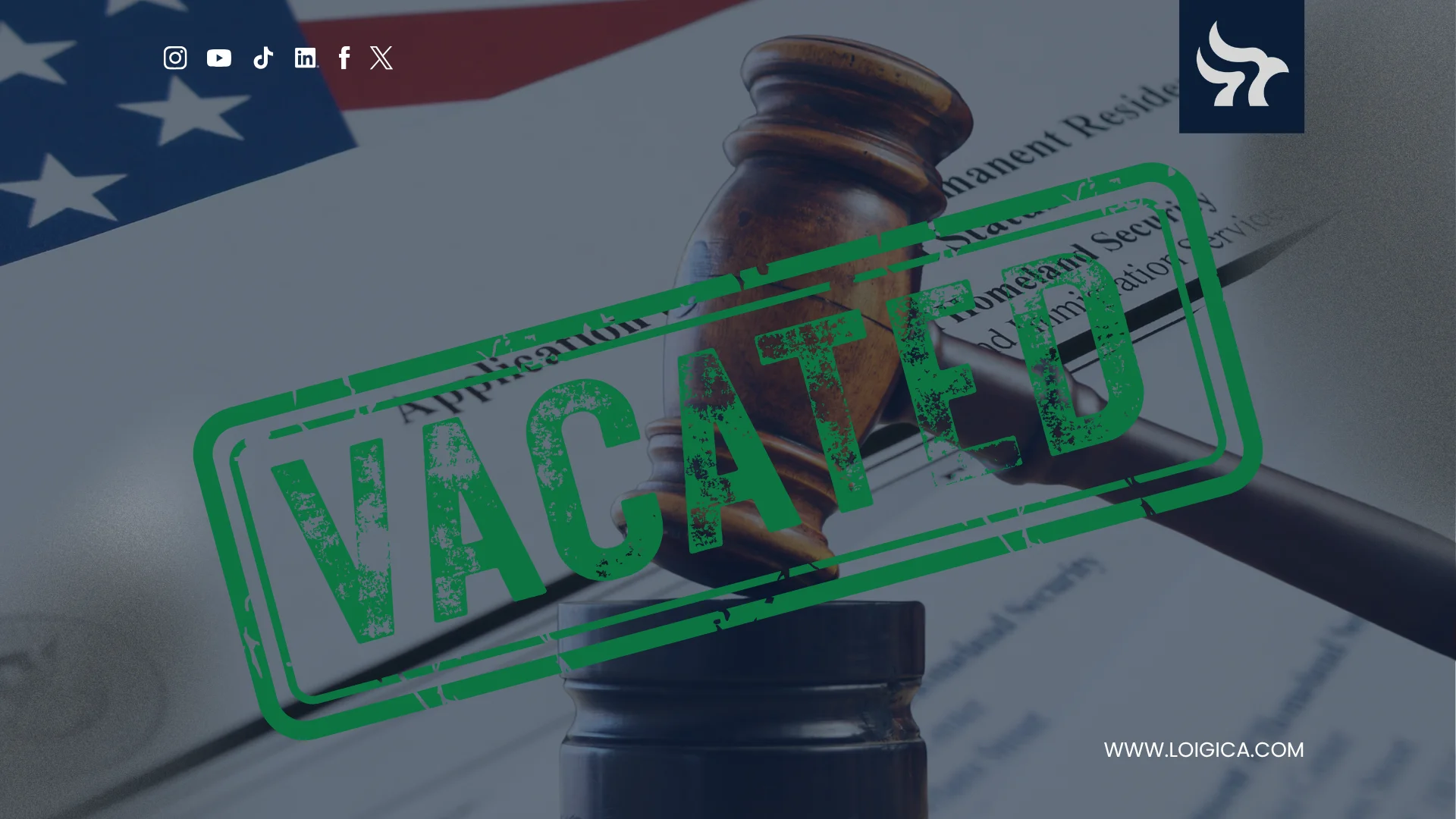
In CLINIC v. Rubio, a federal court in New York struck down the State Department policy that had paused immigrant visa issuance based on nationality since January 21. The court also vacated visa denials that relied solely on that policy.
If your case was affected, this is an important development. However, the ruling does not guarantee visa approval. Consular officers must still review each application under U.S. immigration law.
Other visa restrictions may also continue to affect some nationalities.
Is the 75-country immigrant visa suspension still in effect?
The federal court has vacated the 75-country policy.
Judge Jeannette A. Vargas ruled that the State Department exceeded its authority. The court also found that the policy violated federal immigration law protecting against nationality-based discrimination in immigrant visa issuance.
The ruling restores case-by-case review.
That distinction matters. The court did not eliminate normal eligibility requirements. It also did not end public charge determinations.
A consular officer can still find an individual applicant inadmissible under applicable law. Under this ruling, the State Department can no longer deny an immigrant visa solely because the applicant holds one of the 75 listed nationalities.
US visa freeze 75 countries list: which countries were included?
The January policy applied to nationals of the following 75 countries. This is the official US visa freeze 75 countries list published by the Department of State.
| Afghanistan | Albania | Algeria |
| Antigua and Barbuda | Armenia | Azerbaijan |
| Bahamas | Bangladesh | Barbados |
| Belarus | Belize | Bhutan |
| Bosnia and Herzegovina | Brazil | Burma (Myanmar) |
| Cambodia | Cameroon | Cape Verde |
| Colombia | Côte d’Ivoire | Cuba |
| Democratic Republic of the Congo | Dominica | Egypt |
| Eritrea | Ethiopia | Fiji |
| The Gambia | Georgia | Ghana |
| Grenada | Guatemala | Guinea |
| Haiti | Iran | Iraq |
| Jamaica | Jordan | Kazakhstan |
| Kosovo | Kuwait | Kyrgyz Republic |
| Laos | Lebanon | Liberia |
| Libya | Moldova | Mongolia |
| Montenegro | Morocco | Nepal |
| Nicaragua | Nigeria | North Macedonia |
| Pakistan | Republic of the Congo | Russia |
| Rwanda | Saint Kitts and Nevis | Saint Lucia |
| Saint Vincent and the Grenadines | Senegal | Sierra Leone |
| Somalia | South Sudan | Sudan |
| Syria | Tanzania | Thailand |
| Togo | Tunisia | Uganda |
| Uruguay | Uzbekistan | Yemen |
Many people searched for the measure as a US visa ban 75 countries list, visa freeze, or 75 countries visa pause.
Legally, the policy focused on immigrant visa issuance. It did not suspend every type of U.S. visa.

What happens to visas refused under the 75-country policy?
The August ruling matters most for applicants who already received a refusal.
The court vacated visa denials that rested solely on the 75-country policy. It directed the State Department to return to lawful, individual review.
That does not turn a refusal into an approval.
Your next step depends on the reason for the original decision. A case may also involve:
- Missing documents
- Public charge concerns
- Another ground of inadmissibility
- A separate presidential restriction
- Additional consular processing
Review the refusal notice and any communication from the embassy or consulate. Also check the section of the Immigration and Nationality Act cited in the decision.
For someone who has waited months while a family or employment case remained blocked, the ruling can reopen an important path. Still, each file needs its own review.
If the 75-country suspension affected your immigrant visa, Loigica can review the refusal history and help you understand what the court ruling changes in your case.
Which visas did the January 2026 suspension affect?
The State Department began the immigrant visa suspension for 75 nations on January 21, 2026. It paused immigrant visa issuance for nationals on the list. Applicants could still submit applications and attend scheduled interviews.
The policy could affect categories such as:
- Family-based immigrant visas
- Employment-based immigrant visas
- EB-2 and EB-3 immigrant visas
- Diversity Visa cases
- Other immigrant visa categories
The policy did not apply to tourist visas simply because a person came from one of the 75 countries. The Department of State specifically stated that B1/B2 tourist visas fell outside this particular pause.
It also did not revoke immigrant visas that were already valid.
What about EB-3 cases and Green Cards?
The suspension could affect an EB-3 applicant who was completing immigrant visa processing through a U.S. consulate abroad.
The same principle applied to other employment-based immigrant visas.
The August ruling removes the 75-country policy as a blanket reason for refusing those visas. Applicants still need to satisfy every requirement of their immigrant category.
A Form I-485 case inside the United States is different.
USCIS handles adjustment of status applications inside the country. The January policy targeted immigrant visa issuance through the State Department and U.S. consulates abroad.
It did not create a blanket freeze on pending Form I-485 applications. It also did not cancel existing Green Cards.
Are all 75 countries now free from U.S. visa restrictions?
No.
This is an important limitation of the ruling.
The United States has separate visa and entry restrictions under Presidential Proclamation 10998. Those restrictions affect nationals of 39 countries and certain Palestinian Authority travel documents. Some countries also appeared on the 75-country list.
The court decision in CLINIC v. Rubio addressed the separate nationality-based immigrant visa suspension announced in January.It did not strike down Presidential Proclamation 10998.As a result, two applicants from the original 75-country list may face very different situations today.
Nationality, visa category, location, prior visa status, and any separate restrictions can all matter.
Does public charge still apply?
Yes.
The January suspension used public charge concerns to justify the nationality-based policy. The court rejected that blanket approach.
However, the ruling did not remove the public charge ground of inadmissibility.
Consular officers may still evaluate public charge issues based on an applicant’s individual circumstances and the law that applies to the case.
For applicants, this means the court removed one barrier. It did not remove every eligibility requirement.
What should affected applicants do now?
If the visa suspension 75 countries affected you, start with the documents in your own case.
Review:
- The refusal notice from the consulate
- The legal section cited in the refusal
- Any pending request for documents
- Your current CEAC status
- Messages from the embassy or consulate
- Any separate visa restriction that may apply
- Time-sensitive issues involving age, employment, or Diversity Visa deadlines
Do not assume the consulate will resolve every affected case in the same way or on the same timeline.
The government may also seek further review of the August 21 decision. Applicants should continue monitoring official guidance.
For now, CLINIC v. Rubio represents a significant change for people whose immigrant visas stalled because of the 75-country policy.
If your family-based or employment-based immigrant visa was delayed or refused under the suspension, contact Loigica to review your current case status and the legal or consular steps that may be available.
Disclaimer
This article provides general information about the 2026 immigrant visa suspension and the August 21, 2026 ruling in CLINIC v. Rubio. It does not provide legal advice and does not create an attorney-client relationship.
Visa rules, court decisions, agency guidance, public charge standards, and separate entry restrictions may change. Each case should be reviewed according to its nationality, visa category, refusal history, and individual circumstances.
Keep learning
A court decision can remove one obstacle while other consular or immigration issues remain.
Learn more about Loigica’s approach to immigration litigation and consular case strategy, including cases involving refusals, delays, and federal immigration decisions.
Review Your Immigrant Visa Case
If the 75-country suspension affected your visa case, the August ruling may change what happens next. Loigica can review the refusal, current restrictions, and available immigration strategy.