

Preparing an immigration case can take months. Families collect personal records, employers coordinate business documents, and applicants invest time and money in forms, translations, and supporting evidence. Many have also assumed that if something important was missing, USCIS would first issue a Request for Evidence, commonly known as a USCIS RFE, and provide an opportunity to correct the filing.
As of August 5, 2026, relying on that second chance is riskier.
USCIS has restored officers’ discretion to deny certain immigration benefit requests without first issuing an RFE or a Notice of Intent to Deny, known as a NOID. The change applies to requests pending or filed on or after August 5, unless a different regulation or USCIS policy governs the case.
This does not mean every mistake will result in an immediate denial. Officers may still ask for more evidence. However, applicants and petitioners should no longer assume USCIS will allow them to complete a deficient case later.
What changed in the USCIS RFE policy?
USCIS Policy Alert PA-2026-05 updates the agency’s guidance on evidence, RFEs, NOIDs, and denials.
The person or organization requesting an immigration benefit must establish eligibility when filing and remain eligible while USCIS reviews the case.
Under the updated policy, an officer may deny a request without first issuing an RFE or NOID when:
- Required initial evidence is missing.
- The existing record does not establish eligibility.
- The request has no legal basis for approval.
- The filing does not comply with applicable regulations or form instructions.
The word may is important. USCIS retains discretion.
Depending on the record, an officer may approve the request, ask for more evidence, issue a NOID, or deny the case. The update makes denial without prior notice possible; it does not make that outcome automatic.
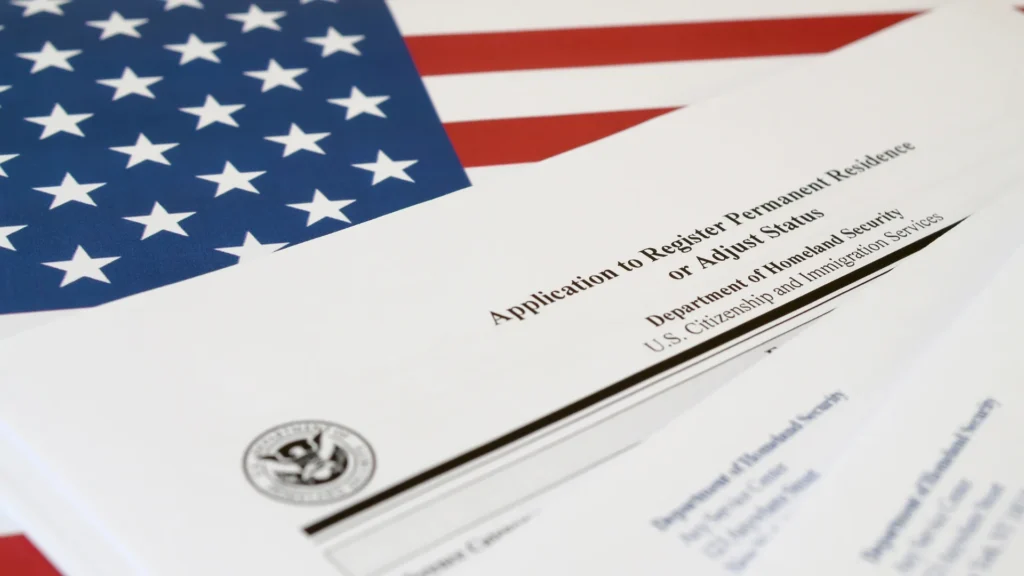
What is required initial evidence?
Required initial evidence includes the documents that the applicable regulations and USCIS form instructions require at the time of filing.
The exact evidence depends on the immigration benefit. It may include:
- Identity and civil documents.
- Proof of a family relationship.
- Employer or business records.
- Financial evidence.
- Educational credentials.
- Immigration status records.
- Certified English translations.
- Documents addressing the legal criteria of the category.
USCIS also distinguishes between initial evidence and additional evidence.
Initial evidence should accompany the original filing. Additional evidence may become necessary after USCIS reviews the case and identifies a question that requires clarification.
For example, an applicant may submit every document listed in the instructions, but USCIS may later ask for more detail about an inconsistency. That is different from leaving out a document that the instructions clearly required from the beginning.
For the person behind the case, this distinction can have real consequences. A denial may affect family plans, employment, travel, business decisions, or a broader immigration strategy.
If you are preparing an immigration filing and are uncertain whether the required initial evidence is complete, use the contact form below to ask Loigica to review the forms, documents, and eligibility requirements before submission.
USCIS RFE vs. NOID: what is the difference?
Both notices allow the requestor to respond before USCIS makes a final decision, but they serve different purposes.
| Notice | General purpose |
|---|---|
| USCIS RFE | Requests missing documents or additional evidence needed to evaluate eligibility |
| USCIS NOID | Explains why USCIS intends to deny the request and gives the requestor an opportunity to respond |
| Direct denial | Decides the case without first requesting more evidence |
An RFE or NOID can provide an important opportunity to clarify the record. Still, neither notice is guaranteed under the updated policy.
RFE and NOID response deadlines may be shorter
The policy update also addresses response periods
.
An RFE may provide up to 12 weeks to respond. A NOID may provide up to 30 days. These are maximum periods, not deadlines USCIS must provide in every case.
The date written on the notice controls.
USCIS also ended its prior practice of adding 14 days for notices mailed outside the United States. The updated guidance provides only the three additional days allowed when USCIS serves the notice by mail, regardless of the recipient’s location.
This can create practical pressure for people outside the United States who need to gather records, obtain signatures, prepare translations, or coordinate with employers and family members.
For that reason, an RFE or NOID should be reviewed as soon as it arrives.

What happens after a partial RFE response?
A partial response can also place a case at risk.
Under the updated guidance, when USCIS receives requested evidence in response to an RFE or NOID (even if the submission addresses only part of the notice), the agency may treat it as a request to decide the case based on the available record.
USCIS does not necessarily have to issue another notice explaining what remains missing.
A response should therefore address every question and document request in an organized way. When evidence does not exist or cannot be obtained, the response may need to explain why and identify any legally acceptable alternatives.
Does the policy apply to pending cases?
Yes. USCIS states that the guidance took effect immediately and applies to benefit requests that were already pending, as well as those filed on or after August 5, 2026.
However, some immigration benefits follow different regulations or procedures. The Policy Alert specifically notes that refugee and asylum applications may operate under separate rules.
Someone with a pending case should not assume the previous approach continues to apply simply because the filing occurred before August 5.

What should applicants and petitioners do now?
Before filing, review the case as a complete legal record rather than a collection of forms.
Confirm that:
- Every form uses the correct edition.
- Signatures and filing fees are correct.
- Required initial evidence is included.
- Translations meet USCIS requirements.
- Names, dates, addresses, and histories remain consistent.
- The evidence addresses each eligibility requirement.
- Any unavailable document is properly explained.
- The applicant qualified at the time of filing.
If a case is already pending, keep a complete copy of the submission and monitor the USCIS account and mail carefully. Do not send unsolicited evidence without first considering whether USCIS can accept it and how it may affect the record.
The central lesson from this update is preparation. A USCIS RFE may still arrive, but it should not be treated as a guaranteed opportunity to finish building the case later.
If your case is pending, you received a USCIS RFE or NOID, or you are concerned that the original filing may be incomplete, contact Loigica to review the record, deadline, and legal options available.

Harry Tapias Esq.
CEO, Attorney and Co-Founder of Loigica
Disclaimer
This article provides general information about USCIS evidence requirements, Requests for Evidence, Notices of Intent to Deny, and immigration benefit denials. It does not provide legal advice and does not create an attorney-client relationship. USCIS policies, form instructions, evidentiary requirements, response periods, and adjudication practices may change. Certain immigration benefits may follow different procedures. Each case should be reviewed according to its specific filing history, evidence, deadlines, and legal circumstances.
Keep Learning
An RFE, NOID, or denial can raise questions that depend on the original filing and the procedural history of the case.
Learn more about Loigica’s approach to immigration litigation and USCIS case review.
Review Your USCIS Filing or Notice
A missing document or incomplete response can affect more than a single filing. Contact Loigica to review your USCIS submission, notice, deadline, and the legal options that may apply.