

A new USCIS asylum interview rule could change the timeline for people who have been waiting years for movement in their asylum cases.
You may be thinking about your work permit, your family, your rent, your children in school, or the fear that made you apply for asylum in the first place.
USCIS announced a rule change aimed at reducing the asylum backlog. Under the new process, certain affirmative asylum cases may be referred directly to immigration court without a prior interview before a USCIS asylum officer.
That can change the experience for applicants. A person who expected a USCIS interview may need to prepare for court sooner than expected. The written application, personal declaration, evidence, and filing history may matter earlier in the process.
For pending asylum applicants, this is a moment to review the case before the government acts.

What changed with the USCIS asylum interview process
Affirmative asylum cases are filed by people who are in the United States and are not already in removal proceedings.
In many cases, applicants expected USCIS to schedule an asylum interview first. If USCIS did not grant the case, and the person had no lawful status, the case could then be referred to immigration court.
The new rule gives USCIS more room to send certain cases to court without holding that interview first. That matters because immigration court is a different setting.
The applicant may face formal deadlines, government counsel, evidence rules, hearings, and the risk of a removal order if the case is denied. For someone who has been waiting quietly for years, that shift can feel sudden.
If your asylum case has been pending for a long time, Loigica can review what is already in your file before a referral creates new pressure.
Why USCIS says the rule is needed
USCIS says the change is meant to reduce the asylum backlog and focus resources on claims that need timely protection.
The agency has also said that some people have used the asylum system for delay or work authorization rather than protection.
USCIS may look more closely at the written record before deciding whether a case should stay with the agency or move to immigration court.
A strong asylum case should not depend only on the chance to explain everything later in an interview.
The Form I-589, declaration, country conditions, supporting documents, identity records, and filing timeline should tell a clear story from the beginning.

What it means to be sent to immigration court
Being referred to immigration court can feel intimidating.
The case moves before an immigration judge. The government is represented in the case. Deadlines may become stricter. Evidence may need to be updated. Hearings may be scheduled.
The applicant may still pursue asylum and other forms of relief, depending on the facts. But the setting changes.
A case that sat for years with USCIS may suddenly require preparation for removal proceedings. That can affect the applicant, the family, the work permit timeline, and future immigration plans.
If your case is vulnerable, waiting may increase risk.
Who may be affected
This rule is especially important for people with pending affirmative asylum cases. You should pay close attention if:
- your case has been pending for years;
- the evidence has not been updated;
- your declaration is short or incomplete;
- your filing date may raise one-year deadline issues;
- you have prior immigration violations;
- your work permit depends on the asylum case;
- you have no other lawful status;
- you are worried about being sent to immigration court.
Each case is different. Some applicants may have strong evidence and only need an updated review. Others may have gaps that should be addressed before the case moves forward.
What asylum applicants should review now
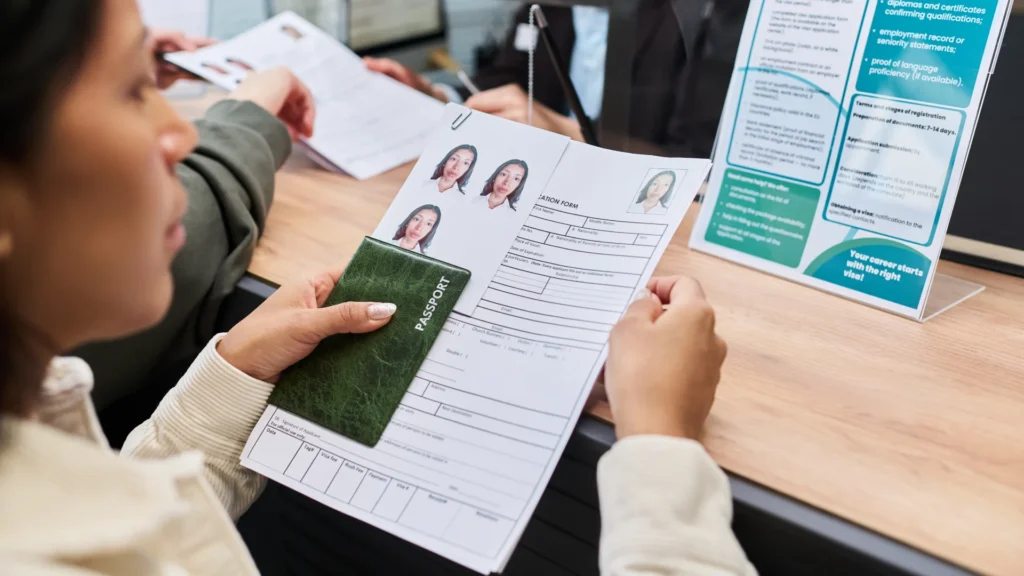
If your case is pending, review the file as if someone could look at it soon.
Start with the basics.
Check your Form I-589. Review your personal declaration. Update country condition evidence. Organize witness letters, medical records, police reports, identity documents, translations, filing notices, and work permit history.
Also review your immigration history. Prior entries, missed deadlines, inconsistent statements, prior applications, criminal issues, or changes in family circumstances can affect the strategy.
This review can help you understand whether your case is ready for USCIS review or possible immigration court proceedings.
Loigica can help evaluate your asylum filing, evidence, timeline, and legal risks before the process moves faster than expected.
Loigica’s takeaway
For asylum applicants, this rule adds pressure to a process that was already stressful.
Many people have waited years without knowing when their case would move. Now, certain cases may move faster and with less warning before reaching immigration court.
At Loigica, we recommend reviewing the case before that happens.
The goal is to understand the strength of the claim, update evidence, identify weaknesses, and prepare for the possibility of court.
A pending asylum case should not sit untouched for years. This rule makes that review more urgent.
If your asylum case is pending and you are worried about a possible referral to immigration court, contact Loigica through the form at the end of this page.
Disclaimer
This article provides general information about the USCIS asylum interview rule, affirmative asylum, asylum referrals, immigration court, and asylum case strategy. It does not provide legal advice and does not create an attorney-client relationship. Asylum rules, USCIS procedures, court practices, filing deadlines, work authorization rules, and implementation guidance may change. Each case should be reviewed based on its specific facts.

Camilo Espinosa Esq.
Managing Attorney and Co-Founder at Loigica
Keep learning
Review Loigica’s resources on asylum, immigration court, removal defense, work permits, adjustment of status, consular processing, and immigration litigation.

Asylum Case Review
Do you have a pending asylum case after the new USCIS asylum interview rule? Loigica can review your Form I-589, evidence, filing history, work permit timeline, immigration court risk, and net legal steps before your case moves forward.